
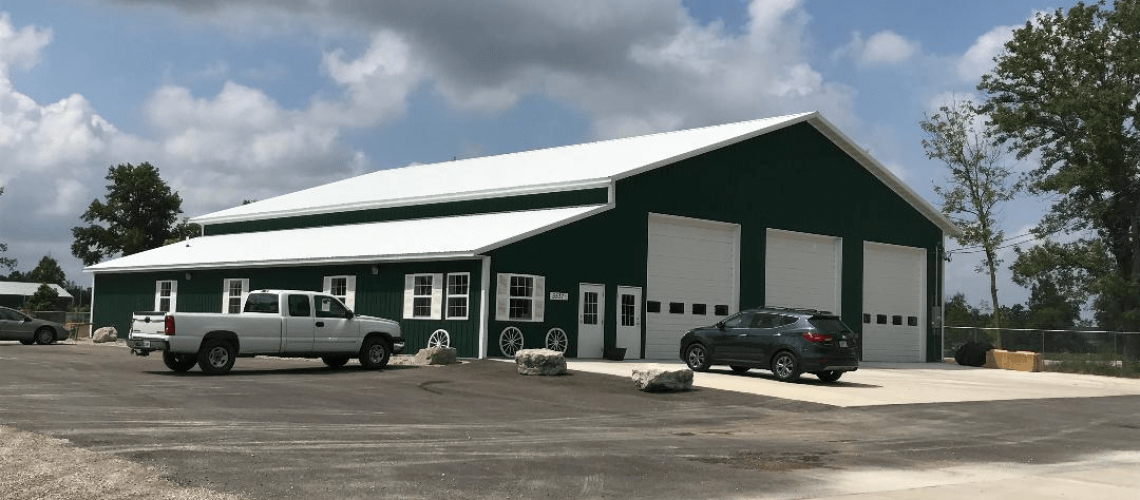
Modern farming is evolving faster than ever. Today’s agricultural operations require more than open land and hardworking equipment—they demand strong, efficient, and long-lasting structures that can support livestock, protect machinery, and provide reliable storage.
That’s why the demand for durable agricultural buildings has grown significantly. Farmers, ranchers, and agricultural business owners are investing in smarter construction methods that offer both affordability and performance.
One of the best solutions available today is post-frame building construction, a proven approach that delivers flexibility, strength, and long-term value. Understanding the true post frame farm buildings benefits helps landowners make informed decisions that improve daily farm operations while protecting valuable assets.
Whether you need durable farm sheds, equipment storage, or modern agricultural steel buildings, post-frame structures offer the perfect balance of cost-effectiveness and durability.
What Are Post-Frame Agricultural Buildings?
Post-frame agricultural buildings, often referred to as pole barns, are one of the most widely used building systems in modern agriculture. Unlike traditional barns that rely on continuous foundation walls, post-frame structures use large vertical posts as the primary support system.
This construction method has become increasingly popular because it allows for faster installation, open interior layouts, and long-lasting durability. Many farms today choose post-frame buildings as a practical alternative to older wood-framed barns or expensive masonry structures.
Post-frame buildings are also commonly paired with steel materials, creating pre-engineered metal buildings that are engineered for performance and built to last.
How Post-Frame Construction Works
Post-frame construction is designed to create large, open spaces with fewer interior obstructions. This makes it ideal for farms that need flexible layouts for machinery and livestock.
Key features include:
- Wide-span design with fewer interior supports, perfect for storing tractors or hay
- Faster build time compared to traditional barns, reducing labor expenses
- Flexible layout for different farm uses, including workshops and animal shelters
Because of these advantages, post-frame structures are often used in both agriculture and large-scale projects such as steel warehouse construction and commercial storage facilities.
Common Uses on Modern Farms
One of the biggest advantages of post-frame buildings is their versatility. Farmers can design these structures to support nearly any agricultural function.
Common uses include:
- Livestock shelters for cattle, horses, or poultry
- Hay and feed storage to keep supplies dry and protected
- Equipment and machinery housing for combines, tractors, and attachments
- Workshops and farm operations space for repairs and maintenance
In many cases, these buildings are designed by an experienced commercial building contractor or agricultural construction specialist to ensure maximum functionality.
Key Post Frame Farm Buildings Benefits
Farmers choose post-frame buildings because they provide unmatched durability and affordability. These structures are engineered to handle harsh outdoor conditions while remaining cost-effective compared to traditional barns.
The long-term advantages of post-frame construction make it one of the smartest investments for agricultural property owners. When you understand the true post frame farm building benefits, it becomes clear why so many modern farms are adopting this building style.
Superior Durability for Harsh Farm Conditions
Agricultural buildings must withstand extreme environments. Heavy snow, strong winds, constant moisture, and daily wear can quickly damage weaker structures.
Post-frame buildings offer superior durability because they are built with strong engineered posts and often finished with steel siding and roofing.
Durability benefits include:
- Handles heavy snow loads, wind, and rain
- Resistant to rot, mold, and pest damage
- Long-lasting structural strength for decades
These same durability qualities are also why post-frame systems are used in equestrian barn construction, where safety and stability are critical.
Cost-Effective Alternative to Traditional Barns
Traditional wood barns can be expensive to build and even more costly to maintain. Post-frame buildings provide a more affordable alternative without sacrificing quality.
Cost-saving benefits include:
- Lower labor and material costs due to efficient framing
- Affordable customization options for different farm needs
- Reduced maintenance compared to wood barns
Farmers looking to manage farm storage buildings often find post-frame construction to be the best balance between upfront affordability and long-term value.
Agricultural Steel Buildings vs Traditional Wood Barns
When planning a new farm building, many landowners compare steel and wood construction. The debate between metal vs wood barns often comes down to durability, lifespan, and maintenance.
Steel has become the preferred option for many modern agricultural structures because it provides stronger protection and fewer long-term repair issues. This is why agricultural steel buildings are rapidly replacing traditional wood barns on farms across the country.
Metal vs Wood Barns: Which Lasts Longer?
Steel barns and metal structures consistently outperform wood in long-term durability.
Steel advantages include:
- Resists fire, moisture, and insects
- Does not warp, crack, or rot over time
- Requires minimal upkeep compared to wood
Wood barns, while traditional, often require frequent repairs, repainting, and pest treatments adding long-term expense.
Strength and Reliability of Agricultural Steel Buildings
Steel structures are engineered for strength, making them ideal for protecting valuable farm assets.
Agricultural steel buildings provide:
- Better protection for expensive farm equipment
- Stronger resistance to storms and harsh weather
- Reliable performance for long-term farm operations
These same structural qualities are also found in commercial metal buildings, which are built for demanding industrial use.
Farm Storage and Equipment Protection Solutions
Modern farms rely on costly machinery, tools, feed, and supplies. Without secure storage, these valuable assets are exposed to weather damage, theft, and deterioration.
Post-frame agricultural buildings provide spacious, durable storage solutions that help farmers protect their investments. From tractors to hay bales, the right structure ensures everything stays safe and functional year-round.
Durable Farm Sheds for Equipment and Supplies
Farm equipment is one of the largest investments a farmer makes, so proper storage is essential. Post-frame buildings make excellent durable farm sheds because they can be built wide, tall, and open for easy access.
These sheds commonly store:
- Tractors, combines, and attachments
- Tools, seed, fertilizer, and feed
- Seasonal vehicles and farm supplies
Many farmers work with an equipment storage building contractor to design structures that meet specific storage requirements.
Farm Equipment Protection from Weather Damage
Weather exposure can significantly shorten the lifespan of farm machinery. Rain, snow, and UV rays can cause rust, fading, and mechanical wear.
Post-frame buildings help:
- Prevent rust and corrosion
- Protect machinery from sun damage
- Avoid freezing exposure in winter
- Extend equipment lifespan
This is why equipment storage building specialists recommend enclosed steel structures for long-term protection.
Farm Storage Buildings Cost and Budget Planning
Budgeting is one of the most important parts of planning a new agricultural building. Farmers need structures that meet operational demands without overspending.
Understanding what influences farm storage buildings’ cost helps landowners plan wisely and get the best return on investment.
What Impacts the Cost of Farm Storage Buildings?
Several factors affect the total price of a post-frame agricultural building, including size and customization.
Key cost drivers include:
- Building size, width, and height
- Steel roofing and siding options
- Door size and number of openings
- Interior upgrades like concrete floors or insulation
- Additional features such as lean-tos or office space
Post-frame construction allows farms to build affordably now while leaving room for future expansion.
Long-Term Savings with Post-Frame Construction
Post-frame buildings offer more than upfront affordability they provide long-term financial benefits.
Savings include:
- Energy efficiency potential with insulation upgrades
- Reduced repair and upkeep costs compared to wood barns
- Longer lifespan and higher resale value
This is one reason post-frame buildings are used in both agriculture and major projects like steel warehouse construction.
Ventilation & Insulation for Farm Buildings
A well-built farm structure must protect against moisture, temperature swings, and condensation. Without proper ventilation and insulation, buildings can become uncomfortable, unsafe for livestock, and damaging to stored materials.
Ventilation and insulation are essential features for modern agricultural steel buildings, ensuring they remain functional year-round.
Why Proper Ventilation Matters
Ventilation plays a major role in maintaining building health and usability.
Proper airflow helps:
- Control humidity and condensation
- Prevent mold and mildew growth
- Improve air quality for animals and workers
- Reduce heat buildup during summer
This is especially important in livestock shelters and equestrian facilities.
Insulation Options for Year-Round Farm Use
Insulation allows post-frame buildings to perform well in all seasons.
Common insulation options include:
- Spray foam for maximum sealing and moisture control
- Fiberglass for cost-effective coverage
- Temperature regulation for livestock and storage areas
Insulated structures can even be adapted into other uses, similar to residential steel buildings or multi-purpose barndominiums.
Customization Options for Modern Agricultural Buildings
No two farms are the same, which is why customization is one of the greatest strengths of post-frame construction.
Farmers can tailor layouts, add specialized features, and design buildings that match their exact operational needs. Many builders who specialize in agricultural projects also work on residential metal buildings, workshops, and even barndominiums.
Flexible Layouts for Different Farm Operations
Post-frame buildings provide wide-open interiors that can be customized for many purposes.
Farmers often create layouts for:
- Open-span riding arenas
- Multi-use storage + workshop designs
- Livestock housing combined with feed storage
Some landowners even consult barndominium builders in St Louis when looking for modern hybrid designs that blend living and farm space.
Adding Doors, Lean-Tos, and Interior Features
Customization features make farm buildings even more functional.
Popular additions include:
- Large equipment access doors
- Lean-tos for extra covered storage
- Office space for farm management
- Tack rooms for equestrian barns
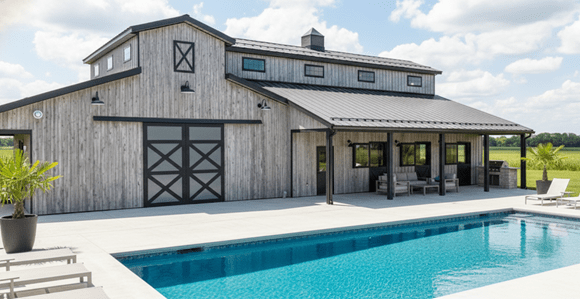
These upgrades make post-frame buildings adaptable for both farm and residential use, much like pool structures used in pool house construction and pool house installation projects.
Why Choose Oneil Buildings for Post-Frame Farm Construction?
Choosing the right builder is just as important as choosing the right building style. Oneil Buildings brings expertise, craftsmanship, and agricultural-focused design to every project.
Whether you need a farm storage shed, livestock barn, or steel equipment building, working with a trusted commercial builders company ensures quality and long-term reliability.
Trusted Experience in Agricultural Building Projects
Oneil Buildings has extensive experience designing and building durable agricultural structures.
Their team offers:
- Quality craftsmanship
- Farm-focused building solutions
- Reliable project planning and execution
They work with both farmers and landowners, as well as clients needing commercial building contractor expertise.
Durable Custom-Built Structures for Modern Farms
Every Oneil building is designed to withstand tough agricultural environments.
Their post-frame structures provide:
- Long-term durability and performance
- Custom layouts for modern farm needs
- Ongoing value and support
Whether it’s farm storage, equestrian barns, or even barndominium-style builds, Oneil delivers dependable results.
Final Thoughts: Investing in Durable Farm Buildings
Post-frame agricultural buildings are one of the best investments farmers can make for long-term productivity and protection.
To recap the top post frame farm buildings benefits:
- Superior durability in harsh conditions
- Lower construction and maintenance costs
- Flexible designs for equipment, livestock, and storage
- Strong protection through agricultural steel materials
Farmers should plan not only for today’s needs but also for future growth and expansion.
Conclusion
Post-frame agricultural buildings provide modern farms with the durability, affordability, and flexibility needed to thrive. Whether you’re protecting equipment, housing livestock, or expanding operations, these structures deliver long-term value.
By choosing post-frame building construction paired with steel materials, farmers gain reliable buildings that outperform traditional barns in strength and lifespan.
With trusted experts like Oneil Buildings, you can create a custom agricultural structure built for efficiency, protection, and lasting farm success.
FAQ
How long do post-frame agricultural buildings last?
With proper materials and maintenance, post-frame buildings can last 40–60 years or more, especially when built with steel components.
Are agricultural steel buildings better than wood barns?
Yes. Steel buildings resist rot, pests, moisture, and fire, making them more durable and lower maintenance than wood barns.
What is the average farm storage building cost?
Costs vary based on size and features, but post-frame buildings are typically more affordable than traditional barns while offering better long-term savings.
Do farm buildings need insulation and ventilation?
Yes. Proper ventilation prevents condensation, while insulation improves comfort and protects livestock, feed, and equipment year-round.
Can post-frame buildings be customized?
Absolutely. Farmers can add lean-tos, large doors, workshops, office areas, and specialized layouts for equipment or livestock needs.
